When I asked teachers on the Minds in Bloom Facebook page to give some tips to first-time teachers, they came through with flying colors! There were so many great ideas that I decided to wrap them all up into a blog post. One interesting thing is that I did notice some themes that came up again and again. They included:
- Teaching routines early and thoroughly
- Implementing a solid discipline system
- Staying organized
- Documenting and/or saving everything, even if you think it is isn’t important at the time
- Relaxing, going with the flow, and pacing yourself
NOTE: As Amazon Associates, we earn from qualifying purchases.
I hope that new teachers will learn a lot from those who have learned from experience. So, in their own words, here are over 40+ gems of wisdom:
“Relax; be prepared to say you don’t know; be prepared to ask for help.”
-Diane Burckhardt O’Toole
“Organization! Color code subjects…go as far as color coding the kids’ folders and spirals so that everyone’s social studies folders or spirals are all green…have a classroom email distribution (blind carbon emails so others don’t see others’ email addresses) with the updates for the week’s requirements and expectations of assignments and projects. Carbon a copy to administrators, as well, if any questions come about.”
-Penny Smith Smethers
“Make friends with the secretary and the custodian.”
-Cindy Bayne Hornyak and Missi Spurgeon
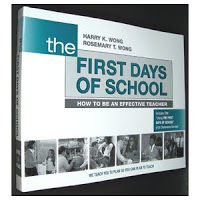 “Read The First Days of School by Harry Wong every year.”
“Make emergency sub plans. Keep some extra snacks for kids that are hungry.”
-Jennifer Cramer Armour
“One of my faves is to buy fabric to cover your bulletin boards. :-)”
-Katie Lyon
“Take pictures of your bulletin boards and put them in a digital or hard-copy scrapbook. Don’t reinvent the wheel each year!”
-Nena Scalf Morton
“For every handout, workbook, bookmark, letter to parents, form, pre-made folder, etc. that you use during the first week of school, make/collect 10 extra copies and start a bin for new students…when a new student comes in, you can just grab what you need out of the bin for those last minute transient students or for kids who come from divorced families (two homes).”
-Lesley Finley Hutton
“Teach and practice routines. Don’t expect students to know what you want from them.”
-Marjorie Rispin
“Have something prepared for early finishers!! Always be organised!!!!”
-Monalisa Grover
“Have fun…and don’t stress if one lesson fails. I always had twice as much planned as could be done so I always had a plan B. Also, some of the best lessons were spur of the moment….it fit…the kids fit… and it was success. Also realize that the best lessons for most students are projects using what they have learned…a few will blow your mind with creativeness and show you what they learned.”
-Pam Steele
“RUBRICS! It lets the students and parents know the expectations for the assignment and it makes grading quick, easy, and fair. :)”
-Sarah Cook Merrell
“Have management systems in place by Day 1; don’t wait until there is a problem!”
-Susan Stephanz Dennison
“Save your lesson plan books/files. The first years are so detailed . They always help year after year. Save a copy of all the first week activities.”
-Tracy Santos- Ramirez
“Take a deep breath when you get frustrated – those moments pass.”
-Monica Sloan Rich
“Take pictures of your anchor charts you’ve made WITH the kids so you don’t forget for next year.”
-Sarah Trevino Beasley
“Keep a fresh documentation notebook for each year. Tab it with ‘Parent Contacts,’ ‘Student Positive Notes Home,’ ‘Teacher Collaboration,’ etc.”
-Nancy Kennedy Wray
“Keep a calendar near the phone and document right on it any contact you had with parents and the topic.”
-Mary Kelly
“Learn to LOVE your students…anything…find something you like about each one. Be personal (but professional). Don’t be afraid to let your students know, ‘I’m a teacher because I LIKE people your age!'”
-Mary Giesking
“Take some time for yourself, or you will be overloaded. Always ask the oldies about the best thing they learned to make something to go smoother.”
-Alice Hathcock
“No question…is a dumb question. Ask for help and ensure you find a balance… Work and planning and rest [and] playtime. It’s OK to feel overwhelmed and emotional, as well. Enjoy your first year; it goes too quick.”
-Kerry Critchley
“Enjoy all the chaos that happens when you begin. Don’t worry if you need to change a lesson mid-stream, and tell the kids why you are changing. They love to see you be creative, and they begin to rely on you to be interesting and fun. Follow through on your discipline plan and be fair and consistent. That is the toughest thing to learn. Do not make idle threats, so think things through first. Have fun!”
-Pamela Haigh Barber
“Remember that we were all first year teachers, too, so if you need help, ask for it.”
-Wendy MacWilliam
“Documentation! Document every conversation with a parent [or a] fellow teacher. If you are forgetful like me, then someone says, ‘But you told me blah blah blah.’ You have something to look back on. Even if it’s a passing remark in the carpool line. Documentation!”
-Wafa Husein
“Over-plan and then go with the flow.”
-Kim Ricker
“Be willing to collaborate! Veteran teachers will have some tried and true lessons/activities, just as you will have some fresh ideas that will match current trends (i.e. Common Core standards).”
-Melissa Broadbent McNamara
“Do not friend your students on Facebook. They will send the requests; just tell them your policy is to not friend them until after they graduate from high school. Also, check your district policy about this.”
-Jennifer Cramer Armour
“Read
The Cornerstone [for Teachers] by Angela Watson, document everything, save all plans, organize, organize, organize and don’t be afraid to ask a veteran teacher for help. Have a solid behavior plan in place, and begin teaching it the first day.”
-Karen Constantino
“If you are going into a classroom that has materials on file, DO NOT go in and throw things away. Wait a year and then access the materials. You may find things you throw away on impulse were the very things you needed and have to repurchase. Listen to advice from others, but be true to your own style of teaching. As stated before, don’t be worried if what you teach some days just doesn’t work. Even experienced teachers have this happen to them. Ask someone for advice on what might make it work next try. Sometimes you will just need to tell the kids, ‘Let’s take a break for a minute because I need to reevaluate for a minute.’ They won’t even question you. Most important—BE CONFIDENT IN YOURSELF, even if at times, you don’t feel confident. Those moments are few.”
-Jolene Hott
“Start with a great classroom management plan. It is the backbone to your classroom. Have good rules and procedures. Take a lot of time to practice them the first few weeks of school.”
-Amy Reynolds Bailey
“Ask the veteran teachers at your school to create a monthly task list for you. It is a list of things that can sneak up on you and upset your flow. Keep it in your lesson plan book/binder. For example, our October task list is as follows: School pictures, progress reports, begin thinking about winter program, change bulletin boards (we do this monthly). No dates, no details, just a heads up list allowing you to ask questions before events are right on top of you.”
-JoAnn Harrison
“Don’t worry about learning everything the first day. Take it bit by bit. Life is a journey, and so is teaching. Don’t forget to enjoy it!”
“Take pictures of all your bulletin boards and any student projects…. You’ll need them for you portfolio…. Also, know that RIFs happen. It’s not personal, so try not to take it that way…”
-Kimberly Renee
“Make sure you set clear expectations and stick to them, and make sure you know how the students are going home the first day of school. :)”
“Focus on setting up a solid individual and whole class management plan. Have rules/consequences in place so you can be firm and consistent.”
-Stephanie Lerch
“Go over your routines daily for the first week or so of class. Be consistent with all you do. Don’t beat yourself up if something doesn’t go the way you’d hoped or planned. Be thoughtful in your planning and know where you want to end up with each lesson. Don’t be afraid to spend more time on a concept if they aren’t getting it. Be very organized.”
– Karen Constantino
“My greatest tip that I give when training student teachers…is that it may [be] true that you will spend hours and hours on the ‘perfect’ lesson plan only for a student to interrupt the pacing of it, lol. Keep in mind not to take it personal…embrace it and go with the flow. Some of my best teaching comes from those spontaneous moments offered by students.
Also, when students act out and get upset in class, they are reacting to something happening in their home lives. It’s about them; [it’s] not about you as a teacher. Give them TLC and understanding and the rough outburst will be turned around quickly. You will be able to build rapport with your students, which is a very important part to establishing your classroom environment.
Good luck to all those new teachers out there, and most importantly, thank you for joining such a rewarding profession in times when we receive so much criticism from the political arena. Best wishes to you! Kristie, 4th grade teacher (20 years) ; )”
-Chuck Kristie Barr
“Have patience with the material. Don’t force a concept or skill if the foundations aren’t there yet.”
-Nevin Werner
“Be firm but fair; if it doesn’t work the first time, change it up! Make sure you teach and reteach classroom management stuff the first weeks of school and throughout the year. The first year can be trying, but keep a sense of humor and don’t drown yourself in paperwork. Good luck!”
-Laurel Stone
“Great tip I learned for turning in homework: have a sentence strip holder hanging on your board with the students’ names on small cards spaced throughout. As students enter the classroom, they get their homework out, hot dog fold it, and put it behind their name. You can tell at a glance who did their homework. I used this for 3rd grade with their math homework.”
-Jennifer Hooker Cude
You can find my own collection of teacher tips (over 300 of them) right here:

You can also find more advice for new teachers at the link-up in Teaching in Room 6.
Do you have more to add? Please comment!
* Minds in Bloom, Inc. is a participant in the Amazon Services LLC Associates Program, an affiliate advertising program designed to provide a means for sites to earn advertising fees by advertising and linking to Amazon properties including, but not limited to, amazon.com, endless.com, myhabit.com, smallparts.com, or amazonwireless.com.


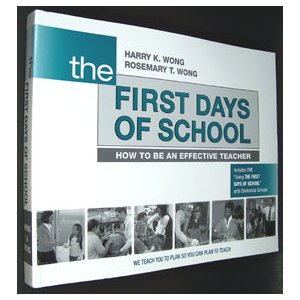 “Read The First Days of School by Harry Wong every year.”


